
When Should You Consult a Doctor for Urethral Stricture Treatment in Narela?
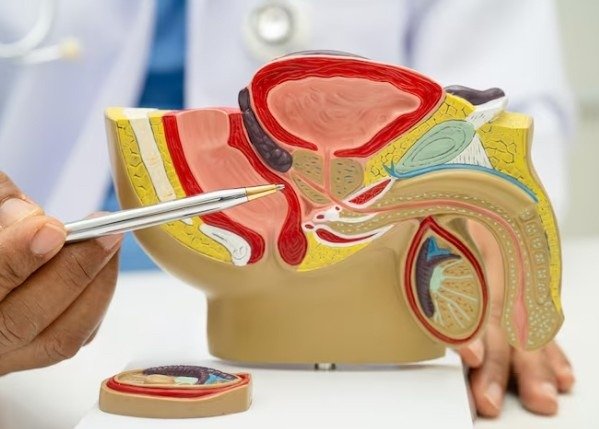
Urinary problems can sometimes seem minor, especially when they develop gradually. However, a weak urine stream, difficulty passing urine, or frequent urinary infections may indicate an underlying problem such as a urethral stricture. If you experience these symptoms, consulting a qualified urologist can help identify the cause early. Stricture Urethra Treatment in Narela may be recommended depending on the location, length, severity, and cause of the narrowing.
For fast information, directly chat with us on WhatsApp.
A urethral stricture occurs when scar tissue narrows the urethra, the tube that carries urine out of the body. This narrowing can reduce urine flow and may lead to incomplete bladder emptying or urinary infections.
What Is a Urethral Stricture?
A urethral stricture is a narrowing caused by scar tissue within the urethra. It can develop after an injury, infection, catheterisation, or certain medical procedures. In some cases, the exact cause may not be clear.
Because the urethra becomes narrower, urine may have difficulty passing through normally. The symptoms can start slowly and become more noticeable over time.
Early medical evaluation is important because persistent urinary obstruction should not be ignored.
Signs You Should Consult a Doctor
Knowing the warning signs can help you decide when to seek professional advice. You should consider consulting a urologist if you experience:
- A weak or reduced urine stream
- Difficulty starting urination
- Pain or burning while passing urine
- Urine spraying or splitting
- A feeling that your bladder has not emptied completely
- Needing to urinate more frequently
- Repeated urinary tract infections
- Increasing difficulty passing urine
These symptoms are commonly associated with urethral stricture, although they can also occur with other urinary conditions. A proper medical assessment is therefore necessary for an accurate diagnosis.
When Is Stricture Urethra Treatment in Narela Necessary?
Not every urinary symptom automatically means that surgery is required. A urologist first needs to understand what is causing the obstruction and how severe the narrowing is.
If symptoms are persistent, worsening, or affecting your daily life, it is better to seek medical attention rather than continuing to manage them at home.
Stricture Urethra Treatment in Narela may become necessary when the narrowing significantly affects urine flow, causes recurrent infections, results in incomplete bladder emptying, or repeatedly returns after previous treatment.
The treatment approach is selected according to individual factors. These may include the length and location of the stricture, previous procedures, symptoms, and overall urinary health.
Why You Should Not Ignore a Weak Urine Stream
A weak urine stream is sometimes dismissed as a normal part of ageing. However, it should not automatically be considered normal.
A narrowing in the urethra can restrict the passage of urine. Over time, this may make urination increasingly difficult. Some people may also experience repeated infections or difficulty emptying their bladder.
If your urine flow has become noticeably weaker, particularly if the change is persistent or progressive, schedule a consultation with a urologist.
How Is Urethral Stricture Diagnosed?
Before recommending Stricture Urethra Treatment in Narela, a doctor may review your medical history and symptoms and perform a physical examination.
Depending on your condition, diagnostic tests may include urine testing, urinary flow measurement, ultrasound, a retrograde urethrogram, or cystoscopy. These tests can help determine the location and extent of the narrowing and assess how well the bladder is emptying.
An accurate diagnosis is important because urinary symptoms can have several possible causes. Treatment should therefore be based on the confirmed condition rather than symptoms alone.
What Are the Treatment Options for Urethral Stricture?
Treatment depends on the severity, location, length, and recurrence of the stricture.
Urethral Dilation
Dilation involves gradually widening the narrowed section of the urethra. It may be considered in selected cases, depending on the patient’s condition.
Endoscopic Urethrotomy
An endoscopic procedure may be used to open or treat the narrowed area through the urethra. It can offer a relatively quick recovery in suitable patients. However, recurrence can occur, so follow-up is important.
Urethroplasty
Urethroplasty is a reconstructive surgical procedure used to repair or widen the affected part of the urethra. Depending on the case, the narrowed section may be removed or reconstructed, sometimes using tissue grafts.
For recurrent, longer, or more complex strictures, a urologist may consider reconstructive treatment instead of repeatedly performing temporary procedures. The most suitable option varies from patient to patient.
When Is Urgent Medical Attention Needed?
Some urinary symptoms require prompt medical assessment. If you suddenly become unable to pass urine, seek urgent medical care.
Severe difficulty urinating should not be ignored. Prompt treatment can help relieve obstruction and allow the doctor to investigate the underlying cause.
If you have difficulty passing urine along with fever, significant pain, blood in the urine, or other concerning symptoms, contact a healthcare professional promptly.
Why Choose Professional Care for Stricture Urethra Treatment in Narela?
Urethral stricture can vary considerably from one patient to another. A treatment that may be appropriate for a short, uncomplicated stricture may not be suitable for a longer or recurrent one.
A urologist can assess your symptoms, conduct appropriate investigations, and explain the available options. This personalised approach can help avoid unnecessary delays and ensure that treatment is selected according to your condition.
At KD Hospital, patients can seek professional evaluation for urinary symptoms and discuss appropriate management options with a qualified medical team.
What Can You Expect During Your Consultation?
During your appointment, the doctor may ask when your symptoms started, whether they are getting worse, and whether you have previously undergone urinary procedures or treatment.
You may also be asked about previous urinary infections, injuries, catheter use, or other urological problems.
Based on your symptoms and examination, the doctor may recommend further tests. Once the findings are available, your urologist can explain whether observation, a minimally invasive procedure, or reconstructive treatment may be appropriate.
Conclusion
Urethral stricture can gradually interfere with normal urination, so persistent urinary symptoms should not be ignored. A weak urine stream, difficulty urinating, incomplete bladder emptying, painful urination, and repeated urinary infections are important reasons to consult a urologist.
If you are experiencing these problems, timely evaluation can help identify the cause and determine whether Stricture Urethra Treatment in Narela is required. Depending on the condition, treatment may include dilation, endoscopic treatment, or urethroplasty.
Most importantly, do not self-diagnose or delay care when urinary symptoms are worsening. Speak with a qualified urologist to understand your condition and choose an appropriate treatment plan based on your individual needs.