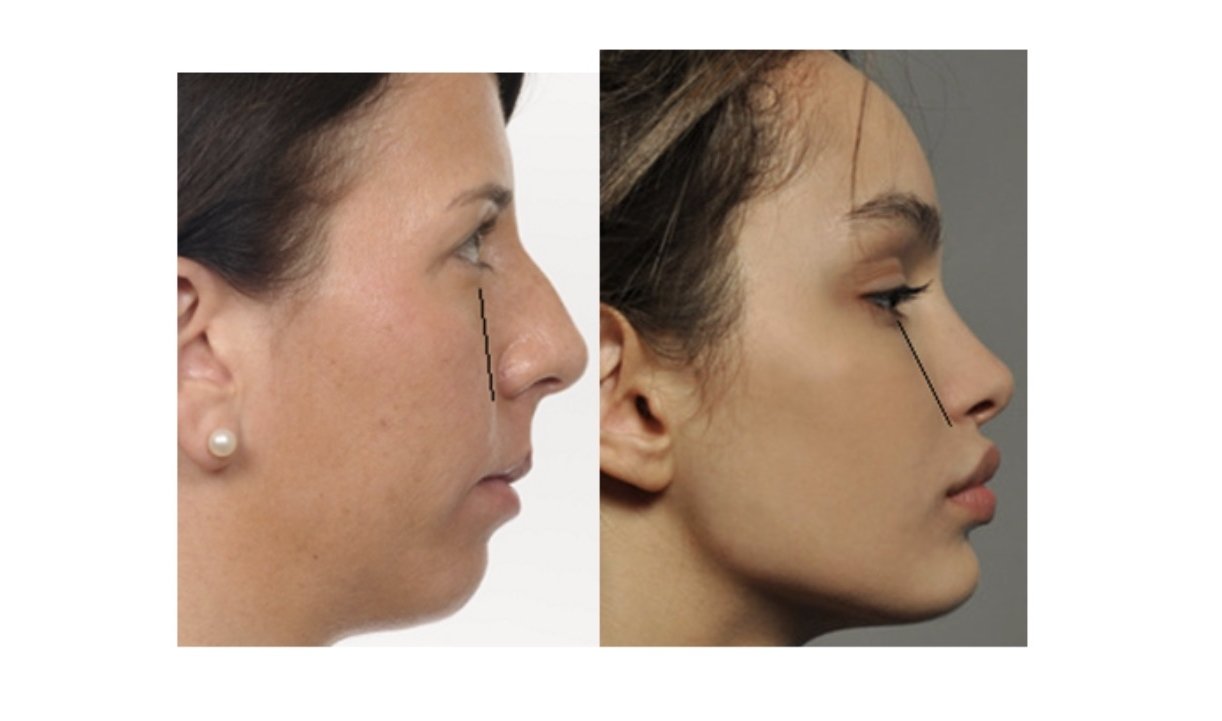
Cheek and Chin Surgery is a facial contouring procedure designed to improve facial balance, definition, and overall profile. The shape and proportion of the cheeks and chin play an important role in facial harmony. Depending on individual anatomy and aesthetic goals, surgery may involve enhancing, reducing, reshaping, or repositioning the cheek or chin area.
These procedures can be performed as part of facial feminization, facial masculinization, or aesthetic facial contouring. Treatment is customized according to facial structure, bone proportions, soft-tissue characteristics, and the patient’s desired appearance.
Before surgery, the surgeon evaluates facial proportions, bone structure, soft tissues, and the relationship between the cheeks, chin, jaw, nose, and forehead.
The exact technique depends on the patient’s anatomy, treatment goals, and whether the procedure is being performed independently or alongside other facial procedures.
Recovery varies depending on the procedure performed. Temporary swelling, bruising, tenderness, tightness, or numbness may occur. Patients should follow postoperative instructions regarding oral hygiene, diet, medications, activity, and follow-up visits.
Swelling generally improves gradually, while the final facial contour may become more apparent over the following weeks or months.
Cheek and chin surgery can create a more proportionate and refined facial appearance. The final outcome depends on facial anatomy, surgical technique, healing, and the extent of correction. Realistic expectations and individualized planning are important for achieving natural-looking results.
As with any surgery, potential risks include bleeding, infection, scarring, asymmetry, changes in sensation, nerve-related complications, implant-related problems when applicable, and anesthesia-related complications. A detailed consultation with a qualified facial plastic, maxillofacial, or craniofacial surgeon is essential before treatment.
Start your journey of achieving your desired results.