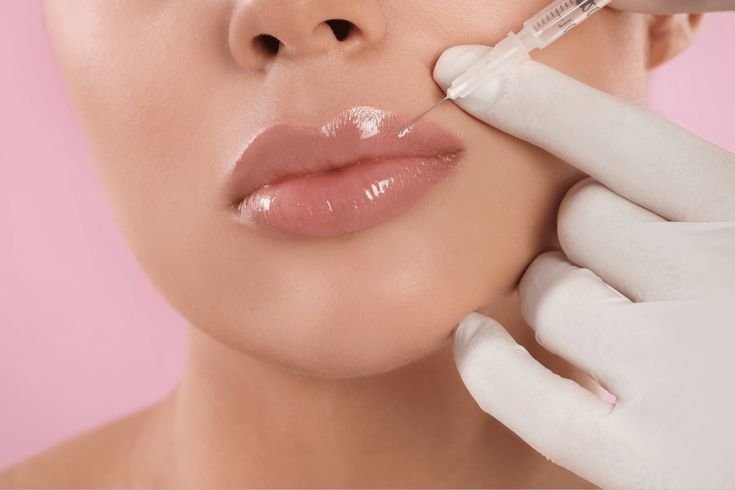
Lip Augmentation is a cosmetic procedure designed to enhance the volume, shape, definition, and symmetry of the lips. It can help individuals achieve fuller-looking lips while maintaining natural facial proportions. The treatment is customized according to the patient’s lip structure, facial features, and desired aesthetic outcome.
Lip augmentation may be performed using different techniques, including dermal fillers or surgical procedures. The appropriate approach depends on the individual’s preferences, medical history, and suitability for treatment.
Some individuals naturally have thin lips, while others may experience a gradual reduction in lip volume with age. Lip augmentation can help improve lip definition and restore a fuller appearance.
The procedure may be considered by individuals who wish to enhance their natural lip shape, improve symmetry, or achieve better balance between the upper and lower lips.
Non-surgical lip augmentation commonly involves hyaluronic acid-based dermal fillers. These fillers are injected into selected areas of the lips to enhance volume, definition, and contour.
The treatment is generally performed in a clinical setting and allows the amount of enhancement to be adjusted according to individual requirements. Results are temporary, and maintenance treatments may be required.
Surgical options may be considered for individuals seeking a more permanent change in lip shape or structure. Depending on the patient’s anatomy and goals, procedures may include lip lift surgery or other selected techniques.
A lip lift can improve the appearance of the upper lip by adjusting the distance between the nose and upper lip. It differs from filler treatment because it changes the position and structure of the lip rather than simply adding volume.
Before treatment, the specialist evaluates the patient’s facial proportions, lip anatomy, medical history, and desired outcome.
Surgical techniques involve a separate assessment and treatment plan based on the selected procedure.
Recovery depends on the technique used. Following lip filler treatment, mild swelling, redness, tenderness, or bruising may occur and usually improves over the following days.
Patients should follow the specialist’s instructions regarding lip care, physical activity, and follow-up appointments. Surgical procedures may require a longer recovery period and additional wound care.
Lip augmentation can create fuller, more defined lips and improve overall lip proportions. Results vary depending on the treatment method, individual anatomy, and healing process.
Filler results are temporary, while surgical results may be longer-lasting. A consultation with a qualified medical professional is essential to understand the available options, expected outcomes, and potential risks.
Potential risks include swelling, bruising, infection, asymmetry, and unwanted changes in lip contour. Dermal fillers also carry a rare but serious risk of vascular complications, which can cause tissue damage. Treatment should only be performed by a qualified and experienced medical professional who can recognize and manage complications.
Start your journey of achieving your desired results.