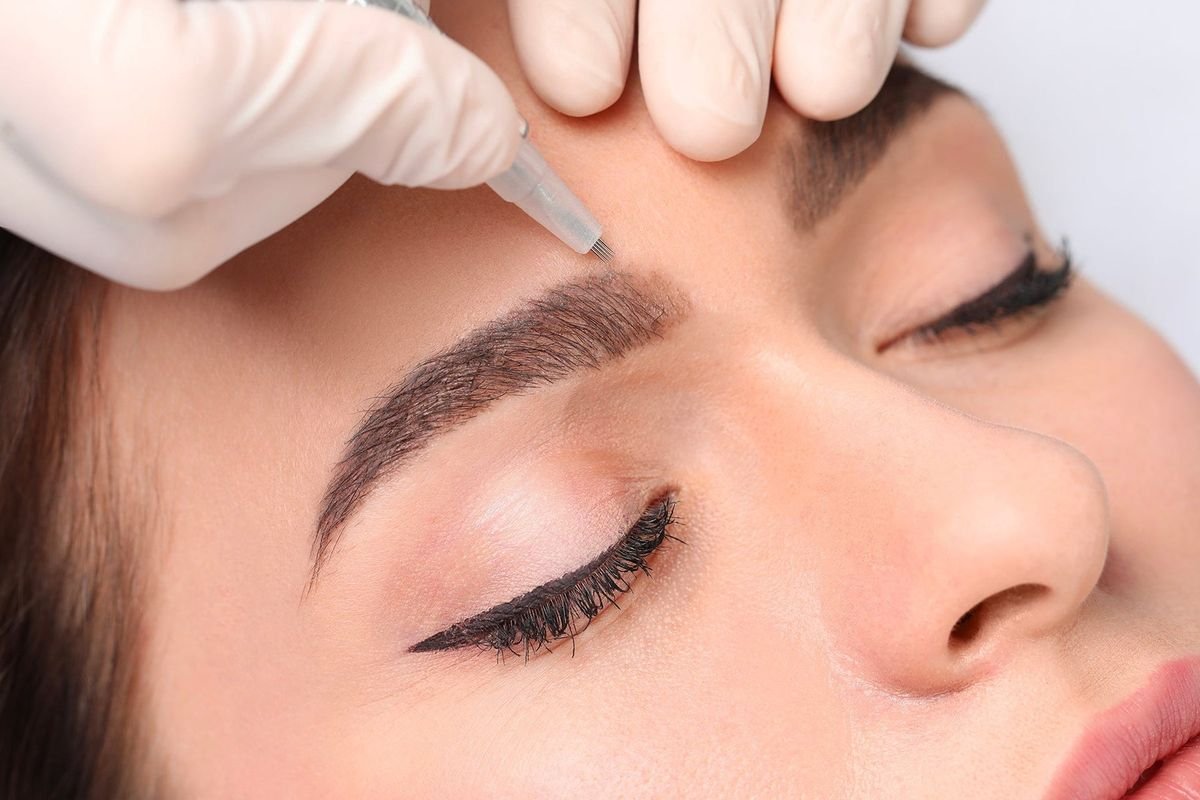
Eyebrow transplant is a minimally invasive hair restoration procedure designed to restore sparse, thin, or missing eyebrows and create a fuller, more natural-looking eyebrow shape. The procedure uses hair follicles, usually harvested from a suitable donor area of the patient’s own scalp, and carefully places them into the eyebrow region.
Eyebrows play an important role in facial appearance, expression, and overall facial balance. Hair loss or thinning may occur due to genetics, over-plucking, aging, hormonal changes, scars, trauma, or certain medical conditions. An eyebrow transplant can provide a long-lasting solution for individuals who want to improve eyebrow density and definition.
Eyebrow transplant may help patients who have:
The treatment is customized according to the patient’s facial structure, existing eyebrow pattern, hair characteristics, and desired appearance.
Before the procedure, the surgeon carefully evaluates the eyebrow area and designs the desired shape, thickness, and hairline. The donor area is also assessed to determine the availability of suitable hair follicles.
The precise placement of each follicle is particularly important because eyebrow hairs grow at a flatter angle than scalp hair.
Eyebrow transplantation may offer several benefits, including:
Eyebrow transplant generally involves a relatively short recovery period. Mild redness, swelling, or small scabs may appear around the treated area during the initial healing phase.
Patients should avoid rubbing or scratching the transplanted area and follow all postoperative instructions provided by the surgeon. Special care may be required during washing and physical activity during the early recovery period.
The transplanted hairs initially go through a normal shedding phase before new growth begins.
New eyebrow growth develops gradually. Visible growth generally becomes more noticeable over the following months, while the final result may take several months to fully develop.
Because transplanted follicles are typically taken from a donor area resistant to common patterns of hair loss, the results can be long-lasting. However, transplanted eyebrow hairs may continue to grow like scalp hair and may require periodic trimming to maintain the desired eyebrow length and shape.
Eyebrow transplant may be suitable for adults with stable eyebrow hair loss or naturally sparse eyebrows who have adequate donor hair and realistic expectations.
A consultation with a qualified hair restoration or plastic surgeon is important to assess the cause of eyebrow hair loss, donor hair availability, eyebrow design, and the most appropriate treatment approach.
Start your journey of achieving your desired results.