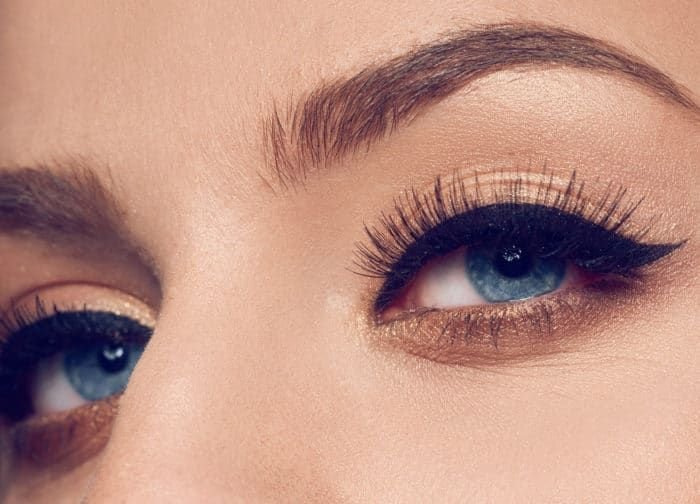
Cat Eye Surgery is a cosmetic procedure designed to create an elongated, lifted, and almond-shaped appearance of the eyes. The treatment focuses on modifying the outer corners of the eyes to achieve a more defined and upward-tilted look. It may be considered by individuals who wish to enhance their eye shape and create a more balanced facial appearance.
Depending on the patient’s anatomy and desired results, the procedure may involve surgical techniques such as canthopexy or canthoplasty. The appropriate approach is determined after a detailed consultation and assessment by a qualified surgeon.
The shape and position of the outer corners of the eyes play an important role in overall facial appearance. Some individuals naturally have downward-tilted outer eye corners, while others may desire a more lifted and elongated eye shape.
Cat Eye Surgery can help modify the appearance of the outer eye corners and create a more defined, aesthetically balanced look.
Before surgery, the surgeon evaluates the patient’s eye shape, eyelid position, skin elasticity, and overall facial proportions. The desired outcome and appropriate surgical technique are discussed during the consultation.
The exact technique varies according to the patient’s anatomy and surgical requirements.
Recovery varies depending on the surgical technique and individual healing. Mild swelling, bruising, redness, or temporary discomfort may occur during the initial recovery period.
Patients should follow their surgeon’s instructions regarding eye care, medication, wound care, and physical activity. Avoid rubbing the eyes and attend all recommended follow-up appointments.
Cat Eye Surgery can create a more lifted and elongated eye appearance. Initial swelling may temporarily affect the results, while the final contour becomes more apparent as healing progresses.
Results vary depending on individual anatomy, surgical technique, and healing.
Like any surgical procedure, Cat Eye Surgery carries potential risks, including infection, bleeding, scarring, asymmetry, dry eyes, eyelid malposition, and changes in eye comfort or function. Careful patient selection and appropriate surgical planning are essential.
Start your journey of achieving your desired results.