
How Long Does Non-Surgical Stone Removal Take at KD Hospital?
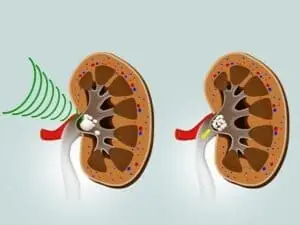
Kidney stones can cause sudden and intense pain, making everyday activities difficult. Fortunately, not every kidney stone requires surgery. At KD Hospital, patients looking for the Best Non-Surgical Stone Removal in Narela can receive modern, minimally invasive treatment options based on the stone’s size, location, and type. In many cases, non-surgical treatment can be completed in a short period, while recovery may take a few days depending on the individual.
Understanding the treatment process can help you feel more prepared and confident. So, how long does non-surgical stone removal actually take? Let’s explore the answer.
For fast information, directly chat with us on WhatsApp.
What Is Non-Surgical Stone Removal?
Non-surgical stone removal refers to treatments that help break, remove, or pass kidney stones without traditional open surgery. One of the commonly used options is Extracorporeal Shock Wave Lithotripsy (ESWL).
ESWL uses focused shock waves from outside the body to break a kidney stone into smaller pieces. These fragments can then pass naturally through the urinary tract.
The exact treatment approach depends on several factors. Therefore, a urologist should evaluate the patient before recommending a suitable procedure.
How Long Does Non-Surgical Stone Removal Take?
The actual treatment time is often shorter than patients expect. Depending on the procedure and the stone, a non-surgical stone removal session may take approximately 30 to 60 minutes.
However, the total time at the hospital can be longer because of preparation, imaging, anesthesia or sedation when required, and post-treatment observation.
Some patients may need more than one session if the stone is large or does not break into sufficiently small fragments during the first treatment.
This is why patients searching for the Best Non-Surgical Stone Removal in Narela should focus not only on treatment duration but also on proper diagnosis and personalized care.
What Factors Affect Treatment Duration?
There is no single treatment time that applies to everyone. Several factors can influence how long stone removal takes.
1. Size of the Kidney Stone
Small stones are generally easier to manage than larger stones. A smaller stone may require less treatment time and can sometimes pass naturally with medical support.
Larger stones may need multiple treatment sessions or a different treatment approach.
2. Location of the Stone
The stone’s position inside the kidney or urinary tract is also important. Some locations are easier to treat with shock wave therapy than others.
Before treatment, imaging tests help the doctor determine the exact location of the stone.
3. Number of Stones
If you have one small stone, treatment may be relatively straightforward. However, multiple stones can require additional treatment time.
The doctor may also recommend a staged treatment plan when several stones are present.
4. Type and Hardness of the Stone
Different kidney stones have different compositions. Some stones respond better to shock waves than others.
For this reason, the doctor considers the stone’s characteristics while deciding whether non-surgical treatment is appropriate.
5. Overall Health
Your general health can also influence treatment planning. Existing medical conditions, medications, urinary infections, and kidney function may affect which treatment option is safest.
A detailed evaluation helps reduce potential complications and supports better recovery.
What Happens During Non-Surgical Stone Removal?
Before treatment, the doctor may perform imaging tests such as an ultrasound or CT scan. These tests help identify the stone’s size and location.
During ESWL, the patient is positioned so that the shock waves can be directed accurately toward the stone. The machine delivers controlled energy waves that break the stone into smaller pieces.
The procedure does not involve a traditional surgical incision. Depending on the patient and treatment plan, pain control or sedation may be provided.
After the procedure, the patient is monitored for a short period. Once the medical team confirms that the patient is stable, they may be able to return home.
How Long Does Recovery Take?
Recovery after non-surgical stone removal is usually relatively quick. However, the body may need additional time to pass the broken stone fragments.
Some people can return to normal activities within a day or two, while others may need more time depending on their symptoms and the size of the stone fragments.
It is common to experience mild discomfort, blood in the urine, or increased urinary frequency for a short period after treatment. However, symptoms that are severe or persistent should be reported to a doctor.
Following the doctor’s instructions about fluids, medications, activity, and follow-up appointments is important for a smooth recovery.
Is One Treatment Session Enough?
Sometimes, one session is enough to break a stone into small fragments. However, this is not guaranteed.
Large or hard stones may not break completely during the first session. In such cases, the doctor may recommend another session or consider an alternative treatment.
Therefore, the Best Non-Surgical Stone Removal in Narela is not simply about completing treatment quickly. It is about choosing an appropriate method that offers safe and effective stone management.
Follow-up imaging may be recommended to check whether the stone has been completely cleared.
When Should You Seek Treatment for Kidney Stones?
Do not ignore symptoms of kidney stones. Common signs can include:
- Sharp pain in the back, side, or lower abdomen
- Pain while urinating
- Blood in the urine
- Frequent or urgent urination
- Nausea or vomiting
- Difficulty passing urine
A fever or chills along with urinary symptoms may indicate an infection and requires prompt medical attention.
Early evaluation can help prevent a small stone from becoming a bigger problem.
Why Choose KD Hospital for Non-Surgical Stone Removal?
Choosing the right hospital is an important part of kidney stone treatment. KD Hospital focuses on proper diagnosis, individualized treatment planning, and patient safety.
Patients seeking the Best Non-Surgical Stone Removal in Narela can benefit from a structured approach that starts with identifying the stone’s size, location, and characteristics.
The treatment plan is then selected according to the patient’s specific needs. Moreover, appropriate follow-up helps doctors assess whether the stone fragments have cleared successfully.
A patient-focused approach can make the treatment experience more comfortable and easier to understand.
How Can You Support Recovery After Treatment?
Your recovery may be smoother when you follow your doctor’s instructions carefully. Drink fluids as advised, take prescribed medicines on time, and attend follow-up appointments.
However, do not force excessive water intake unless your doctor recommends it. Fluid requirements can vary depending on kidney function and other health conditions.
A balanced diet and healthy lifestyle can also support long-term urinary health. Your doctor may suggest dietary changes based on the type of kidney stone you have.
Conclusion
Non-surgical kidney stone treatment can often be completed within a relatively short procedure time, but the overall treatment journey depends on the stone’s size, location, number, hardness, and the patient’s health. Some stones may require only one session, while others may need additional treatment or follow-up.
For people searching for the Best Non-Surgical Stone Removal in Narela, the right treatment should be based on accurate diagnosis rather than treatment speed alone. KD Hospital provides personalized evaluation and treatment planning to help patients manage kidney stones safely and effectively.
If you are experiencing symptoms of kidney stones, timely consultation with a qualified urology specialist can help determine whether non-surgical stone removal is suitable for you.