How Does a Knee Replacement Surgeon in Narela at KD Hospital Diagnose Severe Knee Arthritis?
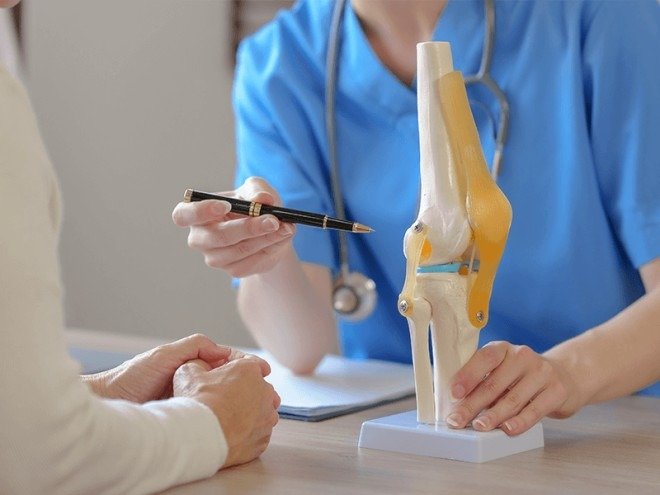
Severe knee arthritis can make everyday activities such as walking, climbing stairs, standing, or getting up from a chair increasingly difficult. A Knee Replacement Surgeon in Narela at KD Hospital begins the diagnosis with a detailed evaluation of the patient’s symptoms, medical history, and physical condition. The goal is to understand how severely the knee joint is affected and whether conservative treatment or knee replacement surgery may be appropriate.
For fast information, directly chat with us on WhatsApp.
Knee arthritis does not affect every patient in the same way. Some people experience occasional pain, while others develop persistent pain, stiffness, swelling, and significant difficulty with movement. A proper diagnosis helps the orthopedic specialist determine the most suitable treatment approach.
What Is Severe Knee Arthritis?
Knee arthritis occurs when the cartilage that cushions the bones inside the knee gradually becomes damaged. As the cartilage wears away, the bones can come closer together and cause pain and stiffness.
Osteoarthritis is one of the most common forms of knee arthritis. It may develop due to age-related changes, previous injuries, excess stress on the joint, obesity, or other factors.
In advanced cases, knee arthritis can interfere with normal daily activities. Patients may experience:
- Persistent knee pain
- Stiffness after sitting or resting
- Swelling around the knee
- Difficulty walking
- Pain while climbing stairs
- Reduced knee movement
- Grinding or clicking sensations
- Difficulty standing for long periods
- Pain that becomes worse with activity
When these symptoms become severe, a consultation with a Knee Replacement Surgeon in Narela can help determine the condition of the joint.
Step 1: Understanding Your Symptoms and Medical History
Diagnosis usually starts with a detailed discussion. The doctor may ask when the knee pain began, how frequently it occurs, and which activities make it worse.
The specialist may also ask about previous knee injuries, surgeries, medications, existing health conditions, and previous treatments.
It is also important to understand how knee pain affects everyday life. For example, difficulty walking short distances or climbing stairs can indicate that arthritis is significantly affecting joint function.
This information gives the surgeon a clearer picture before performing a physical examination.
Step 2: Physical Examination of the Knee
A physical examination is an important part of diagnosing severe knee arthritis. The Knee Replacement Surgeon in Narela may examine the knee for swelling, tenderness, deformity, and restricted movement.
The doctor may ask you to bend and straighten your knee. Walking may also be observed to assess your gait and identify changes caused by pain or reduced joint movement.
The examination can help assess:
- Range of motion
- Joint stability
- Swelling
- Tenderness
- Muscle strength
- Knee alignment
- Signs of inflammation
These findings are considered along with your symptoms and imaging results.
Step 3: X-Ray for Knee Arthritis Diagnosis
X-rays are commonly used to evaluate the condition of the knee joint. They can help the orthopedic surgeon identify changes associated with advanced arthritis.
An X-ray may show narrowing of the joint space, changes in bone structure, bone spurs, or other signs of joint degeneration.
X-rays can also help the surgeon understand whether arthritis is affecting one part of the knee or multiple compartments.
However, an X-ray is only one part of the diagnostic process. The patient’s symptoms and physical examination are also important when deciding how severe the condition is.
Step 4: Additional Imaging Tests When Needed
In some situations, additional imaging may be recommended. Depending on the patient’s symptoms and clinical findings, the doctor may consider tests such as an MRI.
An MRI provides detailed images of soft tissues and can help evaluate structures such as cartilage, ligaments, tendons, and other tissues around the knee.
Not every patient with knee arthritis requires an MRI. The Knee Replacement Surgeon in Narela decides whether additional imaging is useful based on the individual case.
Step 5: Checking Knee Alignment and Joint Damage
Knee alignment is another factor that may be assessed during evaluation. Advanced arthritis can sometimes cause changes in the natural alignment of the leg.
The surgeon may evaluate whether the knee has developed an inward or outward deformity. Weight-bearing X-rays may also provide useful information about how the joint behaves when it is supporting body weight.
Understanding alignment and the location of joint damage can help the surgeon plan treatment more effectively.
How Does a Surgeon Decide If Knee Replacement Is Needed?
A diagnosis of severe arthritis does not automatically mean that knee replacement surgery is required.
The decision depends on several factors. These may include the severity of pain, limitations in daily activities, joint damage, response to non-surgical treatments, and the overall health of the patient.
Doctors may first consider treatments such as:
- Physiotherapy
- Weight management
- Activity modification
- Pain-relieving medicines
- Assistive devices
- Injections in selected cases
If these approaches no longer provide adequate relief and severe arthritis is significantly affecting quality of life, knee replacement may be considered.
A Knee Replacement Surgeon in Narela evaluates the complete clinical picture before recommending surgery.
What Happens During a Knee Replacement Evaluation?
During a knee replacement consultation, the surgeon reviews the patient’s medical history and previous treatment. The knee is examined, and available imaging is assessed.
The surgeon may discuss the potential benefits, risks, expected recovery, and alternatives to surgery. Patients can also ask questions about rehabilitation, mobility after surgery, and the expected timeline for returning to normal activities.
This personalized discussion is important because knee replacement is not a one-size-fits-all treatment.
Why Early Evaluation Matters
Ignoring persistent knee pain may allow symptoms to interfere further with mobility and daily activities. Early evaluation can help identify the underlying problem and provide an opportunity to discuss appropriate treatment options.
A patient with mild or moderate arthritis may benefit from non-surgical management, while someone with advanced joint damage may need a different approach.
Consulting a Knee Replacement Surgeon in Narela can therefore help patients understand the condition of their knee and make an informed treatment decision.
Why Choose KD Hospital for Knee Evaluation?
At KD Hospital, knee problems are evaluated using a combination of medical history, physical examination, and appropriate diagnostic imaging. The treatment plan is based on the patient’s symptoms, joint condition, activity requirements, and overall health.
The aim is to provide a clear diagnosis and help patients understand all suitable treatment options before proceeding with any major intervention.
Conclusion
Severe knee arthritis can gradually affect mobility, comfort, and quality of life. A Knee Replacement Surgeon in Narela diagnoses the condition by considering symptoms, medical history, physical examination, X-rays, and additional tests when necessary.
Knee replacement is generally considered when advanced arthritis causes significant pain and disability and other treatments are no longer providing sufficient relief. If persistent knee pain is affecting your daily activities, a professional orthopedic evaluation can help determine the cause and identify an appropriate treatment plan.
Frequently Asked Questions
1. How is severe knee arthritis diagnosed?
Severe knee arthritis is usually diagnosed through a combination of medical history, physical examination, symptoms, and imaging tests such as X-rays. Additional tests may be recommended when required.
2. Does everyone with knee arthritis need knee replacement surgery?
No. Many patients can manage arthritis with non-surgical treatments. Knee replacement may be considered when severe joint damage causes persistent symptoms and significantly affects daily activities.
3. Can an X-ray detect severe knee arthritis?
Yes. X-rays can show changes such as reduced joint space, bone spurs, and other signs of joint degeneration. The results are interpreted along with symptoms and physical examination findings.
4. When should I see a Knee Replacement Surgeon in Narela?
You should consider an orthopedic consultation if knee pain is persistent, affects walking or stairs, causes significant stiffness, or interferes with normal daily activities.
5. Is an MRI always needed for knee arthritis?
No. An MRI is not necessary for every patient. The orthopedic surgeon may recommend it when more detailed information about cartilage, ligaments, or other soft tissues is needed.