
What Are the Benefits of Consulting an Experienced Hip Replacement Surgeon in Narela?
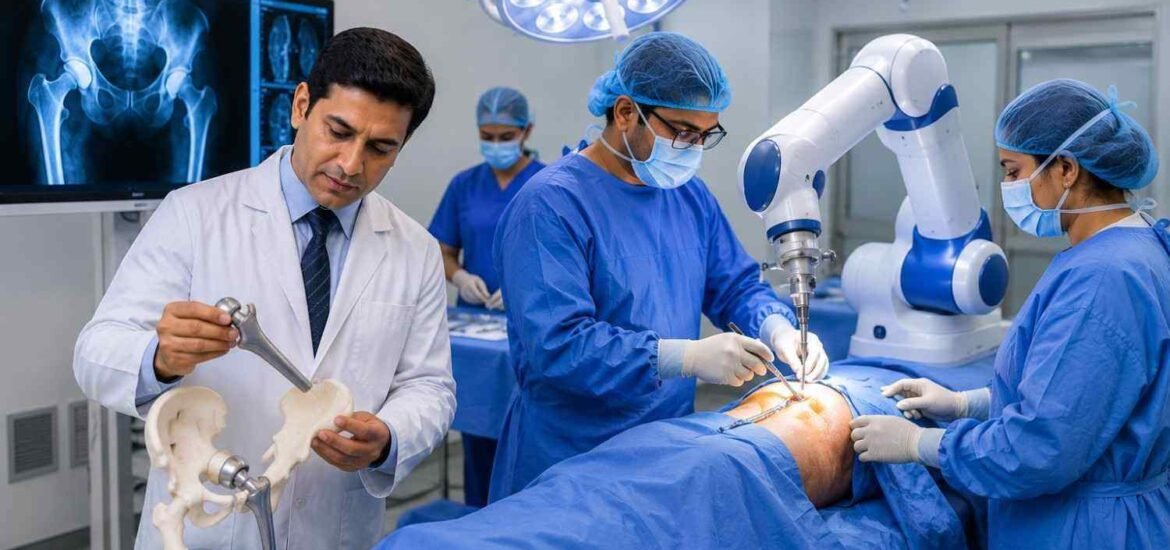
Hip pain can make everyday activities difficult, from walking and climbing stairs to sitting comfortably or getting out of bed. When medication and other treatments do not provide enough relief, consulting an experienced Hip Replacement Surgeon in Narela can help you understand the available treatment options. At KD Hospital, patients can seek orthopaedic evaluation and learn whether hip replacement surgery may be appropriate for their condition.
For fast information, directly chat with us on WhatsApp.
Choosing the right specialist is an important step towards better joint health. An experienced surgeon can assess the cause of hip pain, explain suitable treatments, and guide patients through the surgical and recovery process.
1. Accurate Diagnosis of Hip Joint Problems
Persistent hip pain can develop for several reasons. Osteoarthritis, rheumatoid arthritis, previous injuries, and damage to the hip joint may affect movement and cause discomfort.
An experienced Hip Replacement Surgeon in Narela evaluates the patient’s symptoms, medical history, and physical condition before recommending treatment. The assessment may include a physical examination and imaging tests, such as X-rays.
An accurate diagnosis helps identify the underlying problem. It also helps the doctor determine whether the patient needs medication, physiotherapy, lifestyle changes, or further surgical evaluation.
2. Understanding Whether Hip Replacement Is Necessary
Hip replacement surgery is not necessary for every person experiencing hip pain. Many patients can manage their symptoms through non-surgical treatments, depending on the severity and cause of the condition.
However, surgery may be considered when significant joint damage causes persistent pain and limits daily activities despite appropriate conservative treatment.
A Hip Replacement Surgeon in Narela can explain the potential benefits, limitations, and risks of surgery. This discussion helps patients make informed decisions rather than choosing a procedure without understanding their options.
The final recommendation depends on the patient’s joint condition, general health, symptoms, and response to previous treatments.
3. Personalised Treatment Planning
Every patient has different needs. Age, activity level, medical history, bone health, and the severity of joint damage can influence the treatment approach.
An experienced surgeon considers these factors when developing an individual treatment plan. The doctor may review previous reports, current medications, mobility problems, and the patient’s expectations.
Personalised planning also helps patients understand what to expect before, during, and after surgery.
At KD Hospital, patients can seek orthopaedic evaluation to discuss suitable treatment options for hip and other joint problems. The recommended approach should always be based on a proper medical assessment.
4. Better Preparation Before Surgery
Preparing for hip replacement involves more than scheduling an operation. Patients may need medical assessments, medication reviews, and guidance on physical activity before the procedure.
A Hip Replacement Surgeon in Narela can explain the preparation process and identify factors that may affect surgery or recovery.
Patients may also receive advice about arranging assistance at home, preparing a safe walking space, and understanding the exercises recommended after surgery.
Following the medical team’s instructions can help patients prepare more confidently for the procedure.
5. Understanding Surgical Options and Potential Risks
Hip replacement surgery involves replacing damaged parts of the hip joint with artificial components. It may help reduce pain and improve joint function in appropriately selected patients.
The exact procedure depends on the patient’s condition and the surgeon’s clinical assessment. The doctor can explain the recommended approach, expected benefits, possible complications, and alternative treatments.
Like every major operation, hip replacement has potential risks. These may include infection, blood clots, dislocation, or differences in recovery outcomes.
Discussing these risks before surgery helps patients understand the procedure and make an informed decision with their medical team.
6. Improved Mobility and Daily Function
Severe hip joint damage can make simple tasks challenging. Patients may struggle to walk for long periods, stand comfortably, or participate in their usual activities.
When hip replacement is clinically appropriate, the procedure may reduce joint pain and improve mobility. However, results vary depending on the patient’s health, the extent of joint damage, and rehabilitation.
Consulting a Hip Replacement Surgeon in Narela helps patients understand what improvements may be realistic in their individual case.
The goal is not simply to replace a damaged joint. It is also to help patients regain function and return to appropriate daily activities.
7. Guidance During Recovery and Rehabilitation
Recovery is an essential part of hip replacement treatment. Patients usually need a structured rehabilitation plan to rebuild strength, improve balance, and practise safe movement.
Physiotherapy may include guided exercises, walking practice, and activities designed to improve flexibility and muscle strength. The programme should be adjusted according to the patient’s progress and the surgeon’s instructions.
Patients must follow advice about weight-bearing, wound care, medications, and follow-up appointments.
KD Hospital lists orthopaedic care, hip joint replacement, and rehabilitation services among its offerings. Patients should discuss the specific postoperative support available for their procedure during consultation.
8. Comprehensive Orthopaedic Care at KD Hospital
Choosing a hospital for joint treatment involves considering more than the operation itself. Diagnosis, surgical planning, medical monitoring, and rehabilitation all contribute to the overall care process.
KD Hospital in Narela provides orthopaedic services that include joint replacement surgery, diagnostic evaluation, non-surgical treatment, and rehabilitation.
Consulting a Hip Replacement Surgeon in Narela at a facility offering these services can help patients understand the different stages of treatment and the support they may require.
Patients should ask about the surgeon’s relevant experience, hospital facilities, rehabilitation arrangements, expected costs, and follow-up schedule before making a decision.
When Should You Consult a Hip Replacement Surgeon?
Consider seeking an orthopaedic evaluation if you experience:
- Persistent hip pain that affects everyday activities.
- Stiffness or reduced movement in the hip.
- Difficulty walking, standing, or climbing stairs.
- Pain that continues despite prescribed treatment.
- Increasing difficulty performing routine tasks.
These symptoms do not automatically mean that you need surgery. However, a timely assessment can help identify the cause and determine the most appropriate treatment.
Conclusion
Consulting an experienced Hip Replacement Surgeon in Narela can help patients understand persistent hip pain, explore suitable treatments, and prepare for surgery when necessary. Proper diagnosis, personalised planning, clear communication, and appropriate rehabilitation are important parts of the treatment journey.
At KD Hospital, patients can seek orthopaedic evaluation and discuss hip replacement options according to their medical needs. If hip pain is affecting your mobility or quality of life, consult an orthopaedic specialist to understand your condition and the next steps towards treatment.
Frequently Asked Questions
1. When should I consult a hip replacement surgeon?
You should consider an orthopaedic consultation if hip pain, stiffness, or reduced mobility affects your daily activities, particularly when symptoms continue despite treatment.
2. Is hip replacement surgery necessary for everyone with hip pain?
No. Treatment depends on the cause and severity of the problem. Medication, physiotherapy, activity changes, or other non-surgical approaches may help some patients.
3. What are the main benefits of hip replacement surgery?
For suitable patients, hip replacement may reduce pain, improve joint function, and make everyday movement easier. Individual results can vary.
4. How long does recovery after hip replacement take?
Recovery varies according to the patient’s health, the surgical procedure, and rehabilitation progress. Your surgeon can provide a personalised recovery plan and explain when you may resume specific activities.
5. Is physiotherapy important after hip replacement surgery?
Yes. Physiotherapy is commonly an important part of recovery. It helps patients work on strength, balance, flexibility, and safe movement under professional guidance.