What Are the Possible Risks and Complications of Hand Amputation?
Hand amputation is a major surgical procedure that may be necessary when a hand or part of it is severely damaged by an accident, infection, burns, or a serious medical condition. Consulting an experienced Hand Amputation Surgeon in Narela helps patients understand the procedure, possible risks, and recovery options. Although surgery can sometimes be essential to protect a person’s overall health, it requires careful planning and postoperative care.
For fast information, directly chat with us on WhatsApp.
The thought of losing part or all of a hand can be emotionally and physically challenging. However, understanding the potential complications can help patients and their families make informed decisions. With appropriate medical supervision, rehabilitation, and emotional support, many patients can gradually adapt to daily activities after surgery.
What Is Hand Amputation?
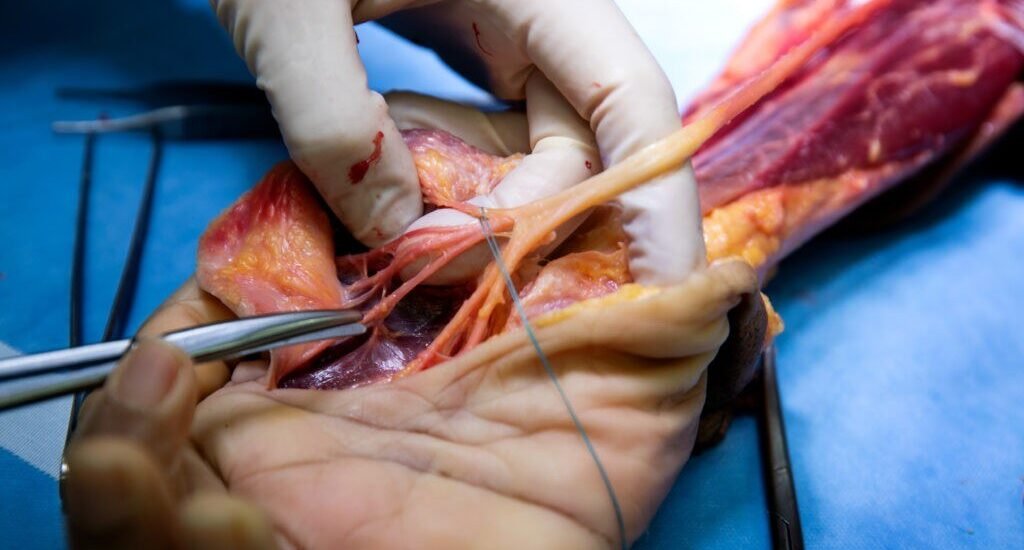
Hand amputation is a surgical procedure in which a surgeon removes a damaged or diseased part of the hand. Depending on the severity of the injury or medical condition, the procedure may involve one or more fingers, part of the hand, or a larger portion of the upper limb.
Doctors usually consider amputation when the affected tissue cannot be saved or when keeping it could pose a serious risk to the patient’s health.
Common reasons for hand amputation include:
- Severe injuries caused by road accidents or industrial machinery.
- Extensive burns or crush injuries.
- Serious infections that damage tissue.
- Restricted blood circulation that causes tissue death.
- Certain tumours affecting the hand.
A Hand Amputation Surgeon in Narela evaluates the injury, circulation, infection risk, and available treatment options before recommending surgery. Whenever medically possible, the treatment plan considers whether the hand or affected tissue can be preserved.
What Are the Possible Risks of Hand Amputation?
Like any major operation, hand amputation carries certain risks. The likelihood of complications depends on the patient’s overall health, the reason for surgery, the extent of tissue damage, and the type of procedure performed.
1. Infection at the Surgical Site
Infection is one of the possible complications after hand amputation. Bacteria can enter the surgical wound and cause redness, swelling, pain, or discharge.
Patients with diabetes, poor circulation, or existing infections may have a higher risk of wound-related problems. Doctors may prescribe antibiotics when indicated and recommend regular wound assessments.
Keeping the surgical area clean and following dressing instructions can help reduce the risk of infection.
Seek medical attention if you develop fever, increasing redness, pus, worsening pain, or swelling around the wound.
2. Bleeding and Blood Clots
Bleeding may occur during or after surgery. Surgeons take precautions to control blood loss and monitor the patient during recovery.
In some cases, blood clots may also develop after an operation, particularly when mobility is reduced or other risk factors are present. The risk depends on the patient’s medical history and the nature of the surgery.
Your doctor may recommend appropriate preventive measures based on your individual condition. Sudden chest pain, difficulty breathing, or unexplained severe swelling requires urgent medical assessment.
3. Delayed Wound Healing
A surgical wound may take longer to heal if blood flow is poor, an infection develops, or the patient has certain underlying health conditions.
Diabetes, smoking, malnutrition, and vascular disease can interfere with normal tissue healing. In some cases, additional wound care or another procedure may be necessary.
A Hand Amputation Surgeon in Narela can assess wound healing and recommend further treatment when required. Attending follow-up appointments is important because early intervention may help prevent more serious problems.
4. Phantom Limb Sensation and Pain
Some patients experience sensations that seem to come from the amputated part of the hand. This is known as phantom limb sensation. It may feel like tingling, itching, pressure, or movement.
Others experience phantom limb pain, which can feel burning, shooting, or aching. These sensations occur because the nervous system continues to process signals associated with the missing body part.
Treatment options vary according to the symptoms. They may include medication, desensitisation techniques, mirror therapy, or specialist pain management.
Patients should discuss persistent or severe pain with their treating doctor rather than assuming it is an unavoidable part of recovery.
5. Nerve Pain and Neuroma Formation
Nerves are affected when part of the hand is amputated. Sometimes, a cut nerve develops a sensitive bundle of nerve tissue called a neuroma.
A neuroma may cause tenderness, sharp pain, or sensitivity when the affected area is touched or pressed. These symptoms can interfere with wearing protective equipment, using a prosthesis, or performing daily activities.
Surgeons use appropriate nerve-management techniques to reduce this risk. If nerve pain develops, further assessment can help determine the most suitable treatment.
6. Reduced Hand Function and Mobility
When part of the hand is removed, activities such as gripping, writing, dressing, cooking, and handling objects may become more difficult.
The degree of functional change depends on the location and extent of the amputation. Loss of a single finger may affect certain movements, while a more extensive amputation can have a greater impact on everyday independence.
Occupational therapy and rehabilitation can help patients learn alternative techniques. A Hand Amputation Surgeon in Narela may coordinate with rehabilitation professionals to support functional recovery.
7. Emotional and Psychological Challenges
Hand amputation can affect more than physical health. Patients may experience anxiety, sadness, frustration, grief, or concerns about changes in their appearance and independence.
These feelings are understandable, particularly during the early stages of recovery. Support from family members, counsellors, and rehabilitation teams can help patients adjust to the changes.
Psychological support may also improve confidence and help patients participate more actively in rehabilitation.
How Can These Complications Be Reduced?
Not every complication can be prevented. However, careful surgical planning and appropriate postoperative care can reduce some risks.
Patients can support their recovery by following these recommendations:
- Take prescribed medicines according to the doctor’s instructions.
- Keep the surgical wound clean and follow dressing guidance.
- Attend all scheduled follow-up appointments.
- Maintain a balanced diet to support tissue healing.
- Avoid smoking because it can impair blood circulation and wound healing.
- Follow rehabilitation exercises recommended by qualified professionals.
- Report unusual symptoms or worsening pain promptly.
A Hand Amputation Surgeon in Narela can explain which precautions are most important for your particular condition. Patients should not start exercises, change dressings, or stop medication without appropriate medical guidance.
What Is the Recovery Process After Hand Amputation?
Recovery varies from person to person. The healing period depends on the extent of the operation, the condition of the remaining tissue, and the presence of complications.
Initially, treatment focuses on pain control, wound healing, and preventing infection. Once the wound is sufficiently healed, rehabilitation may begin according to the surgeon’s recommendations.
Rehabilitation can include movement exercises, strengthening activities, desensitisation, and training in everyday tasks. Some patients may also benefit from a suitable prosthetic device, depending on the level of amputation and their functional needs.
A Hand Amputation Surgeon in Narela can help guide patients through postoperative reviews and referrals for rehabilitation. Recovery is not always linear, so the treatment plan may need adjustments over time.
When Should You Seek Medical Attention?
After hand amputation, certain symptoms should never be ignored. Contact your treating medical team if you notice increasing wound redness, discharge, worsening pain, persistent swelling, or a wound that is not healing as expected.
Seek emergency medical care for uncontrolled bleeding, sudden difficulty breathing, chest pain, or other severe symptoms.
Early assessment can help identify complications and determine whether additional treatment is needed.
Conclusion
Hand amputation may be necessary when severe injury, infection, or tissue damage makes preservation of the affected part unsafe or impossible. Although surgery can carry risks such as infection, delayed healing, nerve pain, phantom limb sensations, and reduced function, appropriate treatment and rehabilitation can help patients manage many of these challenges.
Consulting a Hand Amputation Surgeon in Narela helps patients understand their treatment options, prepare for surgery, and receive guidance during recovery. At KD Hospital, patients should seek an individual medical assessment to understand their condition and the care that may be appropriate for them.
With proper wound care, regular follow-ups, rehabilitation, and emotional support, patients can work towards improved comfort, independence, and quality of life.
Frequently Asked Questions
1. Why might a hand amputation be necessary?
Hand amputation may be necessary when severe trauma, an extensive infection, poor blood supply, serious burns, or certain tumours cause damage that cannot be treated safely through other methods. The decision depends on the patient’s condition and available treatment options.
2. What is the most common complication after hand amputation?
Possible complications include wound infection, delayed healing, pain, and nerve-related symptoms. The likelihood of each complication varies depending on the patient’s health, the severity of the original injury, and the type of surgery.
3. Is phantom limb pain permanent?
No. Phantom limb pain varies between patients and may improve over time, although it can persist in some cases. Treatment options include medication, rehabilitation techniques, and specialist pain management.
4. How long does it take to recover after hand amputation?
Recovery depends on the extent of the amputation, wound healing, overall health, and rehabilitation needs. Some aspects of recovery may take several weeks, while functional adjustment and rehabilitation can continue for months.
5. Can rehabilitation improve daily functioning after hand amputation?
Yes. Rehabilitation can help patients develop alternative ways to perform everyday tasks, improve movement and strength where possible, and learn to use adaptive equipment or a suitable prosthesis. The programme should be tailored to the patient’s individual needs.