How Long Does Recovery Take After Bladder Cancer Surgery?
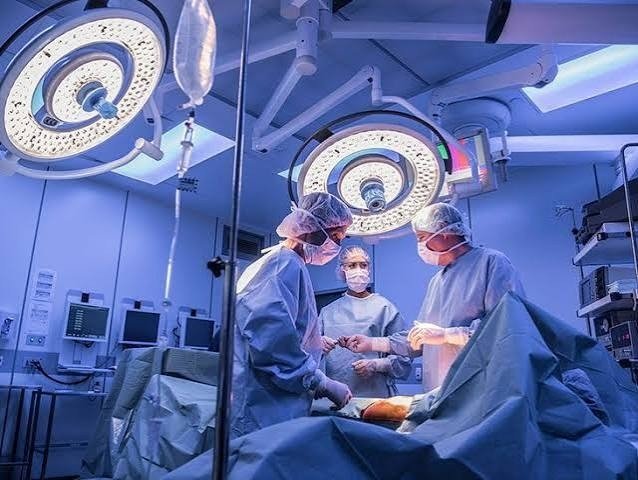
If you are looking for a Bladder Cancer Surgeon in Narela, one of the most common questions you may have after being advised surgery is, “How long will recovery take?” The answer depends on the type of bladder cancer surgery, the stage of cancer, your overall health, and the treatment plan recommended by your medical team. Some procedures have a relatively short recovery period, while major operations such as radical cystectomy may require several weeks of recovery and gradual adjustment.
Understanding the recovery process can help patients and their families prepare for the days and weeks after surgery.
For fast information, directly chat with us on WhatsApp.
What Does Bladder Cancer Surgery Involve?
Bladder cancer surgery can involve different procedures depending on the location, size, stage, and characteristics of the tumour. Common surgical approaches include transurethral resection of bladder tumour (TURBT), partial cystectomy, and radical cystectomy.
During TURBT, the surgeon removes the tumour through the urethra using a cystoscope, without making a large external incision. Partial cystectomy involves removing a portion of the bladder. Radical cystectomy is a more extensive procedure in which the bladder and, depending on the patient, nearby tissues or organs may also be removed.
Therefore, recovery cannot be measured by one fixed number of days for every patient.
How Long Does Recovery Take After Bladder Cancer Surgery?
The recovery period depends primarily on the surgery performed.
After a TURBT, recovery is generally shorter because the procedure is performed through the urinary passage. Some patients may experience temporary urinary discomfort, urgency, or blood in the urine after the procedure. Hospital stay and return to normal activities depend on the extent of the procedure and individual recovery.
A partial cystectomy involves a larger surgical area, so recovery usually takes longer than a TURBT.
A radical cystectomy is a major operation. It removes the bladder and requires the surgeon to create another route for urine to leave the body, known as urinary diversion. Because of the complexity of this procedure, recovery generally takes several weeks, with full recovery and adjustment potentially taking longer.
Your Bladder Cancer Surgeon in Narela can provide a more personalised recovery estimate after reviewing your diagnosis and planned procedure.
Recovery During the First Few Days
The first few days after surgery are focused on monitoring your condition, managing pain, encouraging movement, and checking for possible complications.
Depending on the procedure, you may have a urinary catheter or other temporary tubes. Patients undergoing more extensive surgery may also need to learn how to manage a urinary diversion or stoma.
Your healthcare team may gradually encourage you to sit up, stand, and walk. Early movement can be an important part of postoperative care, but activities should be increased according to your surgeon’s instructions.
Nutrition and adequate fluid intake may also form an important part of recovery. Your medical team can advise you about the most appropriate diet and fluid intake for your specific procedure.
Recovery During the First Few Weeks
During the first few weeks, tiredness is common after major surgery. You may gradually become more active as your strength improves.
At home, patients should follow their surgeon’s instructions regarding:
- Wound care
- Medicines
- Physical activity
- Bathing and hygiene
- Diet and fluids
- Catheter or stoma care, when applicable
- Follow-up appointments
Cancer surgery can require time away from work. The length of time depends on the operation, your recovery, and the physical demands of your job. NCI notes that recovery and return to work after surgery can range from a short period to several weeks depending on these factors.
What Factors Can Affect Bladder Cancer Surgery Recovery?
Recovery is different for every patient. Several factors can influence how quickly you return to your usual routine.
Type of Surgery
A TURBT and radical cystectomy are very different procedures. More extensive surgery generally requires a longer recovery period.
Cancer Stage and Treatment
The stage and grade of bladder cancer influence treatment planning. Some patients may receive chemotherapy or other treatments before or after surgery, which can also affect the overall treatment timeline.
Overall Health
Age, nutritional status, physical fitness, existing medical conditions, and general health can influence recovery.
Urinary Diversion
After radical cystectomy, urinary diversion is required because the bladder has been removed. Options can include an ileal conduit, neobladder, or other forms of urinary diversion. Learning to manage the new urinary system can take time.
Postoperative Complications
Infection, bowel problems, urinary issues, wound problems, or other complications can prolong recovery. Patients should contact their healthcare team promptly if they notice concerning symptoms.
How Can You Support Recovery After Bladder Cancer Surgery?
Following your surgeon’s instructions is one of the most important parts of recovery.
Try to increase physical activity gradually rather than doing too much too soon. Short walks may be encouraged as part of your recovery, but strenuous exercise and heavy lifting should be avoided until your surgeon says they are safe.
Good nutrition is also important after major surgery. If appetite is low or you have difficulty eating, discuss this with your healthcare team. Nutritional support may be recommended when necessary. NCI notes that surgery can increase nutritional needs and that some patients may benefit from dietary guidance.
Patients should also attend scheduled follow-up appointments. These visits allow the medical team to assess healing, discuss pathology results, monitor urinary function, and plan any additional treatment when required.
When Can You Return to Normal Activities?
There is no single recovery date that applies to everyone.
Patients undergoing less extensive procedures may return to routine activities sooner, while those undergoing radical cystectomy may need considerably more time. Even when the surgical wound has healed, rebuilding stamina and adjusting to changes in urinary function may take additional time.
Your Bladder Cancer Surgeon in Narela can advise you when it is appropriate to return to work, drive, exercise, lift objects, and resume other normal activities.
It is important not to compare your recovery with another patient’s experience. Two people undergoing bladder cancer surgery can have very different recovery journeys.
When Should You Contact Your Doctor?
After bladder cancer surgery, follow your hospital’s specific instructions about warning signs. Contact your healthcare team if you develop symptoms such as persistent fever, worsening pain, significant bleeding, difficulty passing urine or problems with your urinary diversion, increasing wound redness or discharge, repeated vomiting, or a sudden deterioration in your condition.
Prompt medical assessment can help identify complications early.
Why Follow-Up Care Matters After Bladder Cancer Surgery
Surgery is an important part of treatment for many bladder cancer patients, but treatment does not necessarily end when the operation is completed. Depending on the type and stage of cancer, additional chemotherapy, immunotherapy, or other treatment may be recommended before or after surgery.
Regular follow-up allows your medical team to monitor your recovery and determine whether further treatment or surveillance is required.
A Bladder Cancer Surgeon in Narela can explain the expected recovery timeline based on your specific diagnosis, procedure, and overall health.
Conclusion
Recovery after bladder cancer surgery depends on several factors, especially the type of surgery performed. TURBT generally involves a shorter recovery than major procedures such as radical cystectomy, while recovery after bladder removal can involve both physical healing and adjustment to urinary diversion.
The best way to understand your individual recovery timeline is to discuss it with your surgical team before and after the procedure. Following postoperative instructions, maintaining appropriate nutrition, gradually increasing activity, and attending follow-up appointments can support a safe recovery.
If you are considering treatment or need guidance regarding recovery, consult a qualified Bladder Cancer Surgeon in Narela for an evaluation based on your individual condition.
Questions About Bladder Cancer Surgery Recovery
1. How long does it take to recover from bladder cancer surgery?
Recovery varies according to the procedure. TURBT usually has a shorter recovery period, while radical cystectomy is a major operation that can require several weeks of recovery and further adjustment.
2. Can I return to work after bladder cancer surgery?
Yes, many patients eventually return to work. The timing depends on the type of surgery, recovery progress, and whether the job involves physical activity. Your surgeon can give you personalised advice.
3. How long does recovery take after radical cystectomy?
Radical cystectomy is major surgery, so recovery generally takes longer than less invasive bladder procedures. Physical recovery and adjustment to urinary diversion may continue for several weeks or longer.
4. Can I exercise after bladder cancer surgery?
Light activity such as walking may be encouraged during recovery, depending on your condition. However, strenuous exercise and heavy lifting should be avoided until your surgeon confirms that they are safe.
5. When should I see my doctor after bladder cancer surgery?
You should attend all scheduled follow-up appointments. Contact your healthcare team sooner if you develop fever, worsening pain, significant bleeding, wound problems, urinary difficulties, or other concerning symptoms.