
What Are the Benefits of Laser Stone Removal Compared With Traditional Stone Removal Procedures?
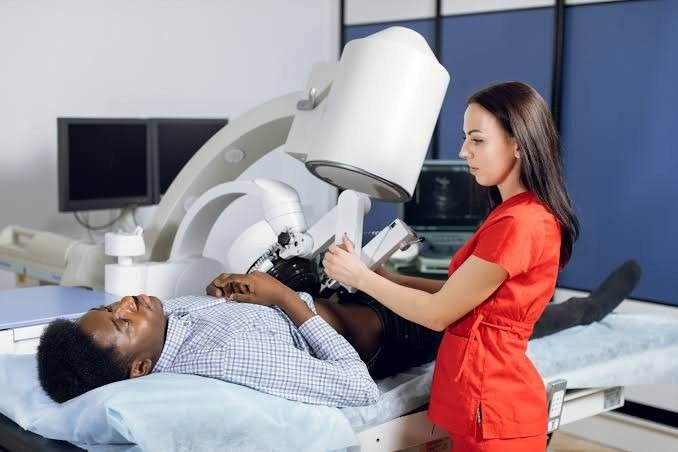
Kidney stones can cause sudden and severe pain, difficulty while urinating, nausea, and sometimes blood in the urine. When a stone does not pass naturally, treatment may be required. Laser Stone Removal Surgery in Narela is a modern, minimally invasive approach that can break kidney or ureter stones into very small fragments for easier removal. Compared with some traditional stone removal procedures, laser treatment can offer precise stone fragmentation, smaller incisions or natural urinary access, and a potentially faster recovery.
For fast information, directly chat with us on WhatsApp.
At KD Hospital, the choice of treatment depends on factors such as the stone’s size, location, number, composition, urinary obstruction, and the patient’s overall health. Understanding how laser treatment differs from traditional approaches can help patients discuss the most suitable option with their urologist.
What Is Laser Stone Removal?
Laser stone removal is commonly performed through a procedure called ureteroscopy. A thin instrument called a ureteroscope is guided through the natural urinary passage to reach the stone. A laser fiber is then used to break the stone into smaller pieces or fine particles.
Modern lasers, including holmium and thulium fiber lasers, are used for urinary stone treatment. Current urological guidelines recommend these laser technologies for appropriate ureteroscopic procedures.
Unlike traditional open surgery, the procedure generally does not require a large external incision. This makes endoscopic stone treatment an important option for many patients.
Laser Stone Removal Surgery in Narela vs Traditional Stone Removal
Traditional stone treatment can refer to several approaches, including open surgery, shock wave lithotripsy (SWL), or percutaneous procedures. The right treatment is not the same for every patient.
Open stone surgery requires an incision to reach the urinary system and is now used much less frequently because minimally invasive treatments are available for many cases. The European Association of Urology notes that advances in shock wave lithotripsy and endourological procedures have significantly reduced the role of open or laparoscopic stone surgery.
In comparison, Laser Stone Removal Surgery in Narela can access many stones through the urinary tract and fragment them under direct visual guidance.
1. Precise Stone Fragmentation
One major benefit of laser treatment is its precision.
The surgeon can direct the laser fiber toward the stone and carefully fragment it. Depending on the stone and treatment strategy, fragments may be removed using a basket, while very small particles can be allowed to pass naturally.
This controlled approach can be particularly useful when stones are located in areas that may be difficult to treat with other techniques.
2. Minimally Invasive Approach
A key advantage of Laser Stone Removal Surgery in Narela is that ureteroscopic treatment uses natural urinary pathways rather than a large surgical incision.
Because there is generally no large external wound, patients may experience less wound-related discomfort compared with traditional open surgery. The procedure still requires appropriate anaesthesia and medical monitoring, and recovery varies from person to person.
3. Direct Visualization of the Stone
During laser ureteroscopy, the urologist can see the urinary tract and the stone directly through the ureteroscope.
This differs from treatments where the stone is targeted without direct endoscopic visualization. Direct visualization can help the surgeon accurately identify the stone, fragment it, and remove suitable pieces.
The EAU recommends stone extraction during ureteroscopy under direct endoscopic visualization.
4. Effective Treatment for Many Stone Locations
Kidney and ureter stones can occur in different locations. Their position, size, and anatomy can influence treatment success.
Flexible ureteroscopy allows the surgeon to reach different areas of the kidney and treat selected renal stones using laser energy. It can therefore be a useful option when shock wave treatment is less suitable or when a patient needs endoscopic stone removal.
However, very large or complex stones may require another procedure, such as percutaneous nephrolithotomy (PCNL). PCNL remains an important standard treatment for large renal calculi.
5. Potentially Fewer Repeat Treatments
Patients often want to know whether one procedure can provide effective stone clearance.
Compared with shock wave lithotripsy, ureteroscopy has been associated with a higher chance of achieving stone-free status with a single procedure in appropriate patients, although it can involve a higher complication rate and longer hospital stay than SWL.
For this reason, Laser Stone Removal Surgery in Narela may be considered when achieving faster or more direct stone clearance is an important treatment goal.
The actual number of procedures required depends on stone size, location, anatomy, and the chosen treatment technique.
6. Smaller Stone Fragments
Laser technology can break a stone into small fragments. A technique known as “dusting” can create fine particles that may pass through the urinary tract.
This can reduce the need to remove every tiny fragment individually. However, not every stone can or should be treated in exactly the same way. The surgeon selects the laser settings and fragmentation technique according to the patient’s condition.
7. Useful When Other Treatments May Not Be Suitable
Not every patient is an ideal candidate for shock wave lithotripsy. Factors such as stone size, location, body characteristics, stone composition, and urinary anatomy can influence treatment selection.
Ureteroscopy may be particularly useful in selected situations where SWL is less appropriate or has not achieved the desired result. Current guidelines also recognize flexible ureteroscopy as an option for certain larger stones when other treatments are unsuitable.
Is Laser Stone Removal Completely Risk-Free?
No medical procedure is completely risk-free.
Laser ureteroscopy can have complications such as infection, bleeding, ureteral injury, or the need for a temporary ureteral stent. The EAU reports that overall complications after ureteroscopy vary, with most being minor, but serious complications can occur.
There is also an important safety consideration with laser treatment: laser energy produces heat. Adequate irrigation and careful control of laser power and activation time are important during the procedure.
Patients should therefore discuss the expected benefits, possible risks, recovery period, and alternatives with their urologist.
What Happens After Laser Stone Removal?
Recovery depends on the size and location of the stone and the type of procedure performed.
Some patients may have temporary urinary discomfort, mild blood in the urine, or increased urinary frequency. A ureteral stent may sometimes be placed to support urine drainage while the ureter heals.
Follow-up imaging or urine testing may be recommended to confirm stone clearance and evaluate the urinary system.
Importantly, removing a kidney stone does not always prevent another stone from developing. Adequate hydration, dietary adjustments, metabolic evaluation, and treatment of underlying risk factors may help reduce recurrence.
Why Choose an Experienced Urology Team?
Choosing the right procedure is only one part of successful stone treatment. The experience of the treating urologist, appropriate imaging, infection assessment, equipment, anaesthesia, and postoperative monitoring all matter.
Before recommending Laser Stone Removal Surgery in Narela, a urologist may evaluate the stone using imaging tests and consider its size, location, number, and possible impact on kidney function.
The goal is not simply to break the stone. It is to select a treatment that provides effective stone clearance while considering patient safety and recovery.
Conclusion
Laser Stone Removal Surgery in Narela has become an important minimally invasive option for treating selected kidney and ureter stones. Its major advantages include precise stone fragmentation, direct visualization, natural urinary access, and the ability to treat stones in several locations.
However, laser treatment is not automatically the best option for every patient. Shock wave lithotripsy, PCNL, or other procedures may be more appropriate depending on stone characteristics and individual health factors. A qualified urologist can evaluate the condition and recommend the safest and most effective approach.
If you are experiencing recurring kidney stone pain, urinary problems, blood in the urine, fever, or difficulty passing urine, timely medical evaluation is important. Laser Stone Removal Surgery in Narela may be considered when active stone removal is required and ureteroscopic treatment is appropriate.
5 Informational FAQs About Laser Stone Removal
1. Is laser stone removal better than traditional surgery?
Laser stone removal can be preferable to open surgery for many suitable stones because it is minimally invasive and can be performed through the urinary tract. However, the best procedure depends on stone size, location, anatomy, and the patient’s health.
2. How does laser treatment break kidney stones?
A thin laser fiber is passed through a ureteroscope to reach the stone. Laser energy breaks the stone into smaller fragments or fine particles, which can then be removed or passed naturally.
3. Is Laser Stone Removal Surgery in Narela painful?
The procedure is generally performed under appropriate anaesthesia, so patients should not feel the laser treatment itself. Some temporary discomfort, urinary irritation, or mild blood in the urine can occur after the procedure.
4. Can all kidney stones be removed with a laser?
No. Laser ureteroscopy is suitable for many kidney and ureter stones, but very large, complex, or anatomically difficult stones may require another treatment such as PCNL. The urologist determines the appropriate approach after evaluation.
5. Can kidney stones come back after laser removal?
Yes. Removing an existing stone does not eliminate the risk of future stones. Adequate fluid intake, dietary measures, metabolic evaluation, and appropriate preventive treatment can help reduce the risk of recurrence.