
How Long Does PCNL Surgery for Bladder Stone Take?
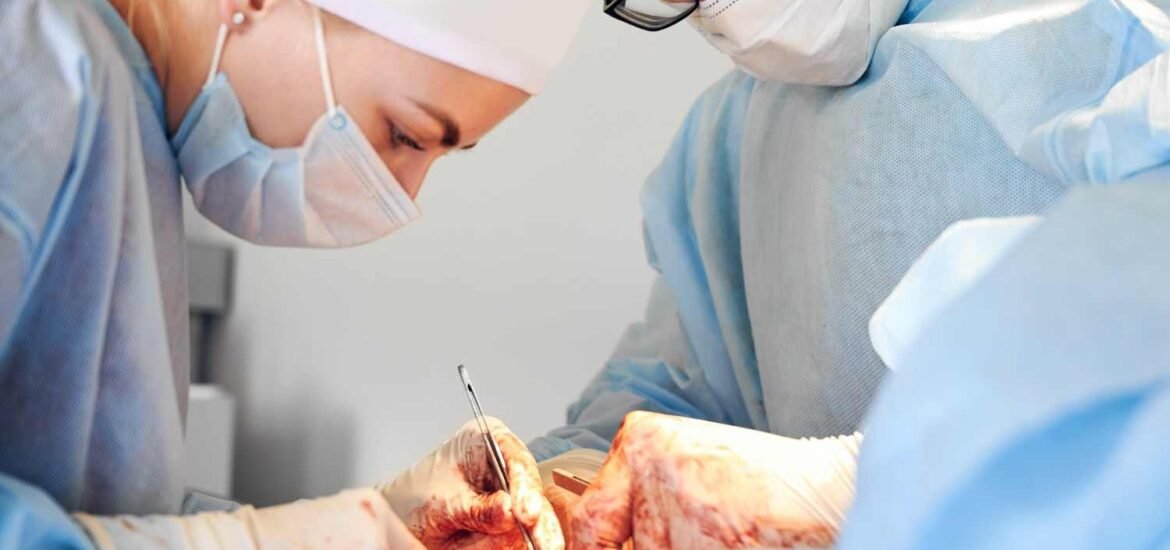
If you are searching for PCNL Surgery for Bladder Stone in Narela, one of the first questions you may have is how long the surgery will take. The duration depends on the size, number, and location of the stone, as well as your overall health and the treatment approach selected by your urologist. PCNL, or percutaneous nephrolithotomy, is mainly used to remove large or complex kidney stones. Bladder stones are often treated through an endoscopic procedure called cystolitholapaxy.
For fast information, directly chat with us on WhatsApp.
Understanding the expected procedure time can make the treatment process feel less stressful. It also helps you plan for hospital admission, recovery, and time away from work or daily activities.
What Is PCNL Surgery?
PCNL stands for percutaneous nephrolithotomy. It is a minimally invasive surgical technique used primarily to remove large kidney stones that may be difficult to treat with other methods.
During PCNL, the surgeon creates a small opening through the skin of the back to reach the kidney. A thin instrument called a nephroscope is then used to locate the stone. The stone can be broken into smaller pieces with laser, ultrasonic, or other stone-fragmentation techniques before the pieces are removed.
Although PCNL involves a small incision, it is still a significant surgical procedure. It is usually performed under general anaesthesia.
How Long Does PCNL Surgery Take?
In general, PCNL surgery may take around 1 to 4 hours, depending on the individual case. Some hospital guidance places the usual operating time around 2 to 3 hours, while other medical sources report approximately 2 to 4 hours.
The actual time can vary considerably.
For example, a relatively straightforward stone may be removed more quickly. A large, hard, multiple, or complicated stone may require additional time for fragmentation and removal.
Therefore, when considering PCNL Surgery for Bladder Stone in Narela, it is better to think in terms of an estimated range rather than one fixed duration.
What Can Increase the Surgery Time?
Several factors can influence how long a PCNL procedure takes.
Size of the Stone
Larger stones generally require more time to break and remove. Very large stones may also need more than one treatment session.
Number of Stones
If several stones are present, the surgeon may need additional time to locate and remove each one.
Stone Location
The position of the stone can affect how easily the surgical instruments can reach it. Some stones may be located in areas that require more careful access.
Stone Hardness
Different types of urinary stones have different levels of hardness. A harder stone may take longer to fragment.
Kidney Anatomy
Every person’s urinary system is different. Certain anatomical features can make access to the stone more challenging.
Previous Procedures or Medical Conditions
Previous urinary procedures, infections, or other health concerns may influence the surgical plan and overall procedure time.
For these reasons, your urologist can give you a more accurate estimate after reviewing your imaging and medical history.
PCNL Surgery for Bladder Stone in Narela: What Happens During the Procedure?
Before surgery, you may undergo blood tests, urine tests, and imaging such as ultrasound, X-ray, or CT scans. These assessments help the medical team understand the location and characteristics of the stone and check for issues such as infection.
On the day of surgery, you are usually given general anaesthesia. Once you are asleep, the surgeon creates a small access route to the kidney.
A nephroscope is introduced through this route. The surgeon identifies the stone and breaks it into smaller fragments. The fragments are then removed.
Depending on the situation, a temporary nephrostomy tube or ureteral stent may be placed to help urine drain after the procedure. A bladder catheter may also be used temporarily.
Is the Hospital Stay Longer Than the Surgery?
Yes. The time spent in the hospital is usually longer than the actual operating time.
After PCNL, you are moved to a recovery area. Medical staff monitor your vital signs, pain, urine output, and overall condition.
Hospital stay varies between patients. Many people remain in the hospital for around 1 to 3 days, although some patients may need longer observation depending on the procedure and recovery.
If a drainage tube has been placed, the healthcare team may wait until it is safe to remove it before discharge.
This means your total hospital experience may involve several stages:
- Pre-operative preparation
- Anaesthesia
- The surgical procedure
- Recovery-room monitoring
- Removal or management of temporary tubes
- Post-operative observation
- Discharge planning
What Is Recovery Like After PCNL?
Recovery after PCNL Surgery for Bladder Stone in Narela depends on the extent of treatment and your general health.
Some soreness around the surgical site is expected. You may also notice some blood in your urine for a short period after the procedure. Your doctor will provide specific instructions about medication, fluids, physical activity, and follow-up care.
Many patients can gradually return to normal activities within a few weeks. Medical guidance commonly places full recovery in the range of approximately 2 to 4 weeks, although recovery can be faster or slower depending on the individual.
Avoid heavy lifting and strenuous activity until your doctor says it is safe to resume them.
PCNL or Another Treatment for Bladder Stones?
It is important to understand that the right procedure depends on where the stone is located.
For bladder stones, cystolitholapaxy is commonly used. During this procedure, a cystoscope is passed through the urinary passage into the bladder. The stone is then broken into smaller pieces and removed or flushed out. NHS guidance states that cystolitholapaxy commonly takes around 15 minutes to 1 hour, although the exact duration can vary.
PCNL, on the other hand, is primarily designed for larger or complex kidney stones.
So, if you are looking for PCNL Surgery for Bladder Stone in Narela, it is important to first confirm the exact location and characteristics of the stone with a qualified urologist.
When Should You Consult a Urologist?
Bladder or urinary stones can cause symptoms such as painful urination, difficulty passing urine, frequent urination, lower abdominal discomfort, or blood in the urine. Some stones may not cause obvious symptoms initially.
Seek medical evaluation if urinary symptoms persist or become severe. Fever, chills, severe pain, significant blood in the urine, or difficulty passing urine should receive prompt medical attention.
Early assessment can help identify the stone and determine the most suitable treatment before complications develop.
Choosing the Right Treatment
The duration of PCNL Surgery for Bladder Stone in Narela cannot be predicted accurately without examining the patient’s condition. A skilled urologist will consider the stone’s size, number, location, composition, urinary tract anatomy, and overall health before recommending treatment.
The goal is not simply to make the procedure as short as possible. The priority is to remove the stone safely and effectively while reducing the risk of complications.
At KD Hospital, patients can discuss their urinary stone concerns with the medical team and understand the available treatment options based on their individual condition.
Conclusion
So, how long does PCNL surgery take? In many cases, the procedure lasts approximately 1 to 4 hours, with some procedures completed closer to 2–3 hours depending on the complexity of the stone.
However, surgery time is only one part of the treatment journey. Preparation, recovery-room monitoring, hospital stay, and follow-up also need to be considered.
If you are considering PCNL Surgery for Bladder Stone in Narela, speak with a qualified urologist before deciding on a treatment. Most importantly, confirm whether PCNL is actually appropriate for your stone, because bladder stones and kidney stones may require different procedures. With the right diagnosis and treatment plan, stone management can be approached safely and effectively.